🌿 Britain's gardens are genuinely wild places — full of animals that most children walk straight past. This guide combines two of our favourite things: wildlife spotting and drawing. Spot each animal, then draw it using the Chunky Badger 6 Simple Steps method!
Your Garden Is a Wildlife Wonderland
It's easy to think you need to visit a nature reserve to see interesting wildlife. In reality, a typical British garden hosts dozens of species throughout the year — many of which most of us never notice. Get children looking, and you'll be amazed at what they find.
The simple act of looking carefully at a real animal — noticing its shape, the way it moves, its colours and markings — makes drawing it so much more meaningful. Instead of copying a picture, you're recreating something you actually saw. That's a completely different (and much richer) experience.
🎒 Make a Garden Wildlife Journal
Give your child a small notebook and ask them to record every animal they spot in the garden — with a tick, a quick sketch, and the date. Over a week, they'll build up a brilliant wildlife record and improve their drawing skills at the same time. It's the kind of activity children genuinely talk about years later.
The 10 Animals to Look For
1. Hedgehog
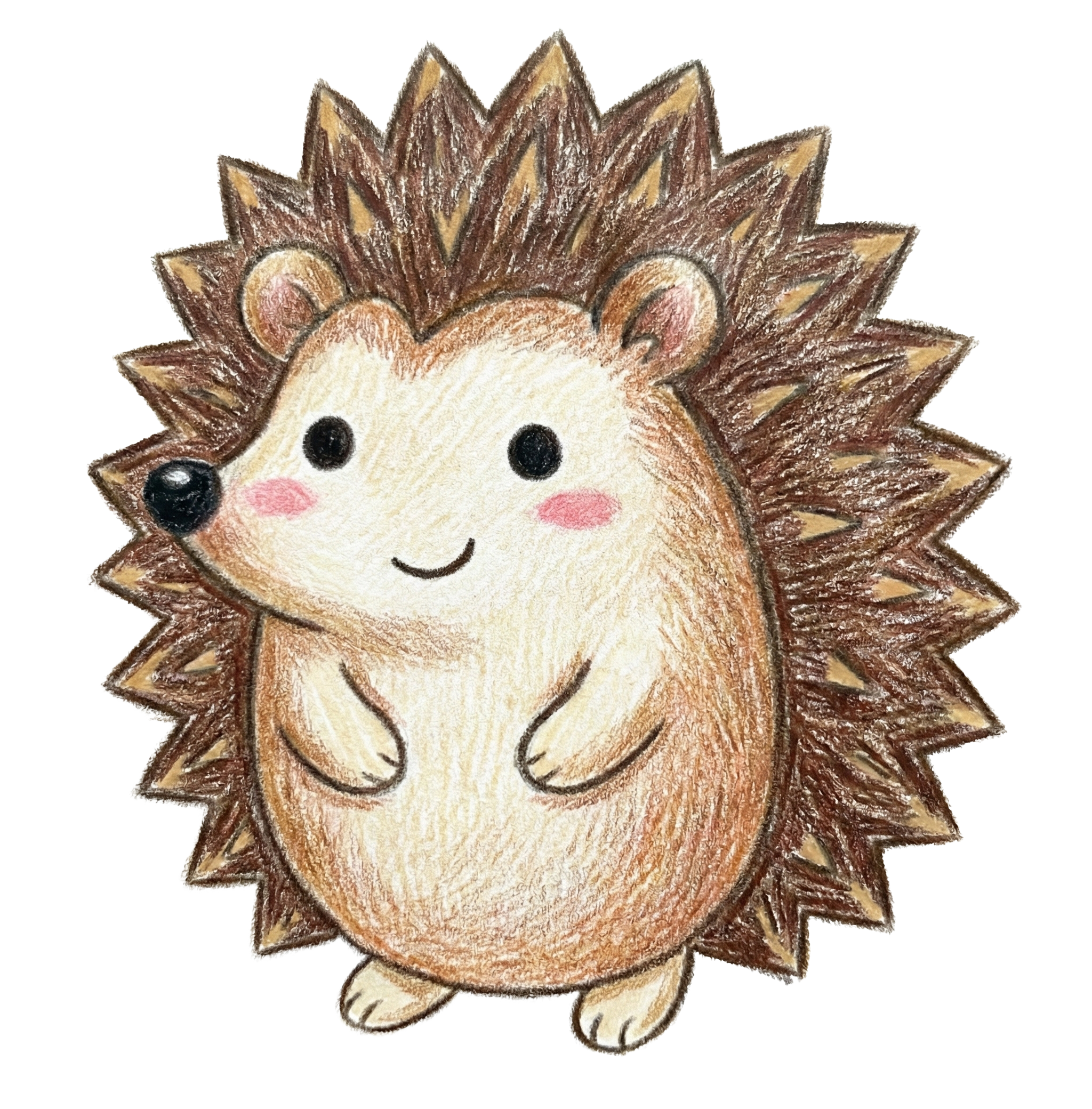
Britain's most beloved garden visitor. Hedgehogs are most active at dusk and dawn — look for them rustling through fallen leaves or snuffling along fence lines. They hibernate from November to March, so summer evenings are the best time to spot them. Want to draw one? Follow our step-by-step tutorial: How to Draw a Hedgehog for Kids.
✏️ Draw it: start with a large teardrop shape for the body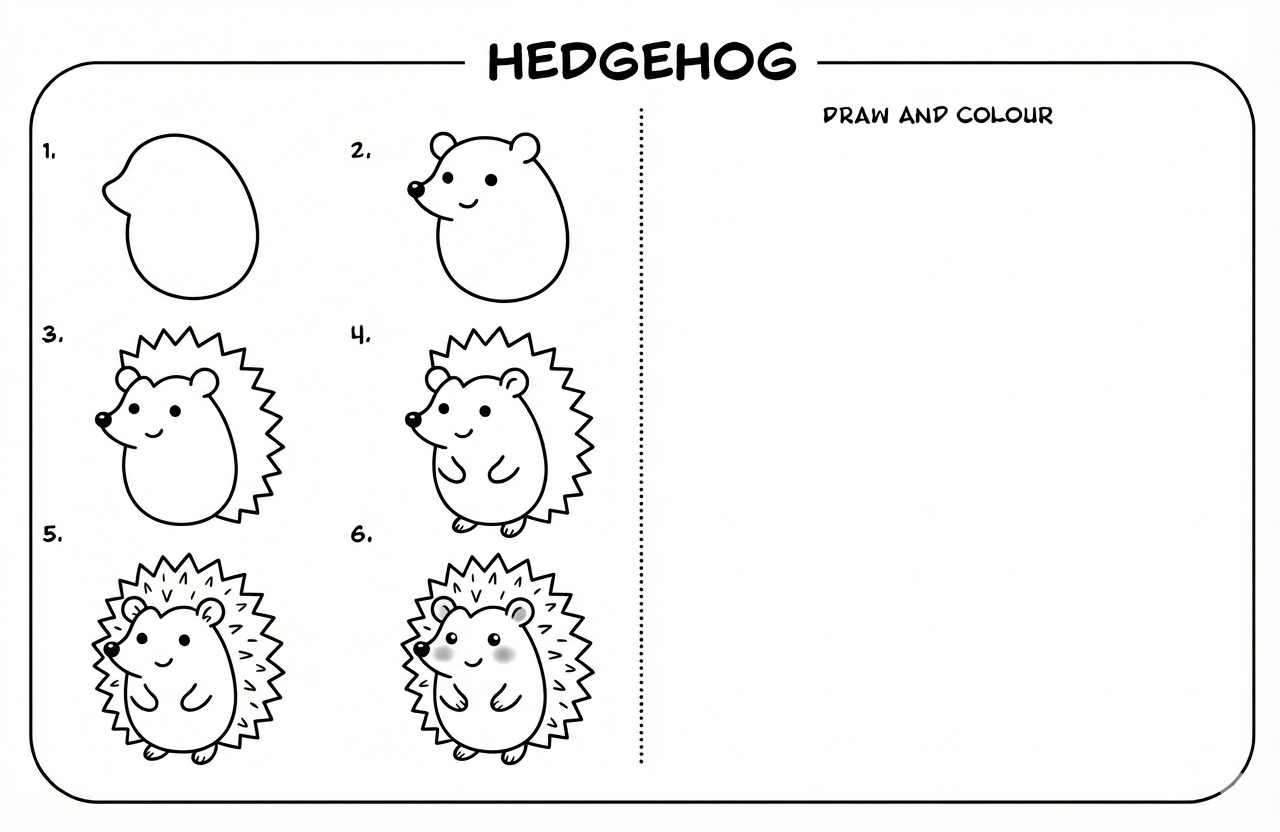
2. Robin
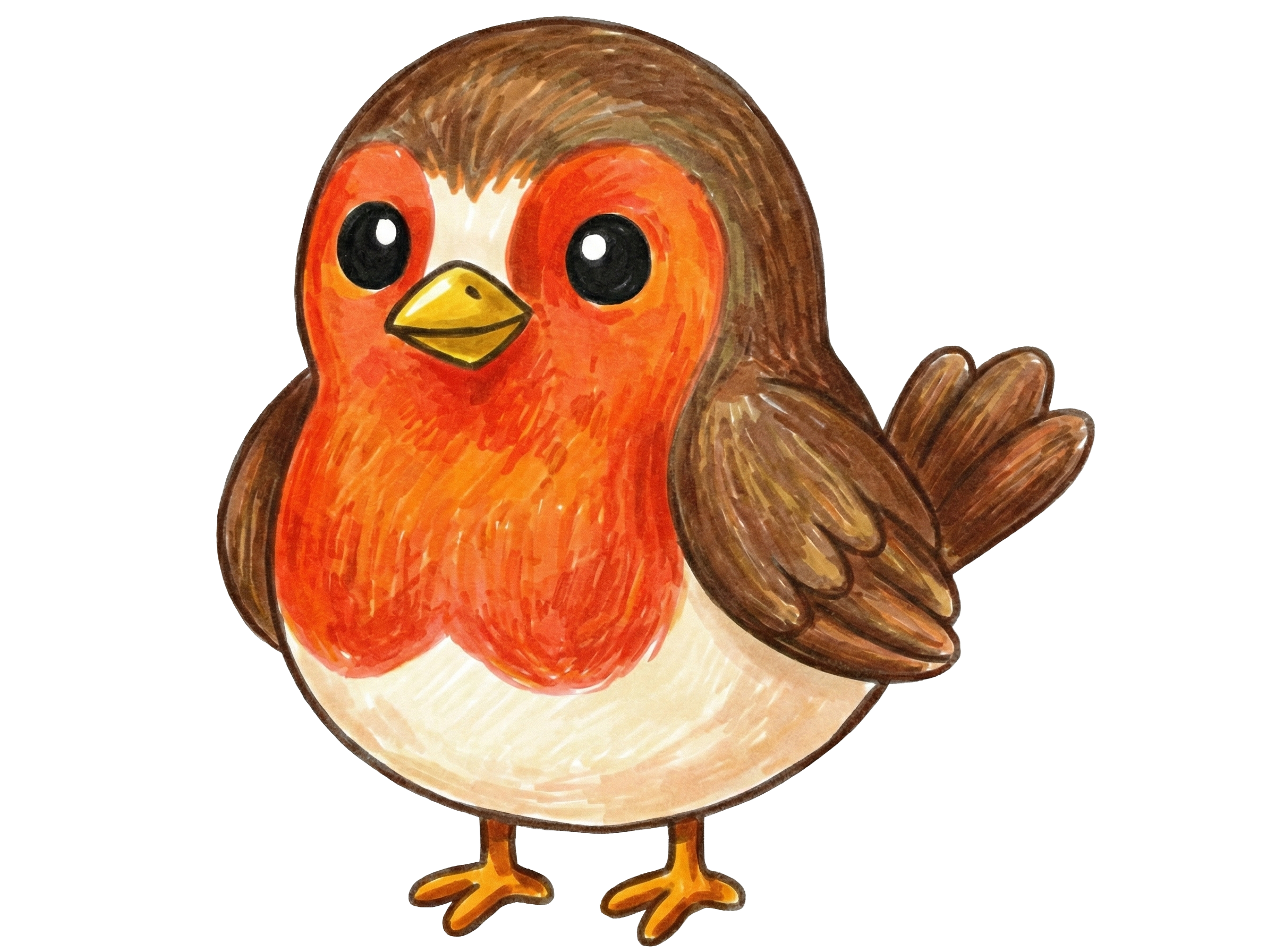
The UK's unofficial national bird. Robins are bold and curious — they'll often hop close to you while you're gardening, looking for worms. That famous red breast makes them one of the most recognisable garden birds, and their round shape makes them perfect for drawing.
✏️ Draw it: two overlapping circles — one for the head, one for the body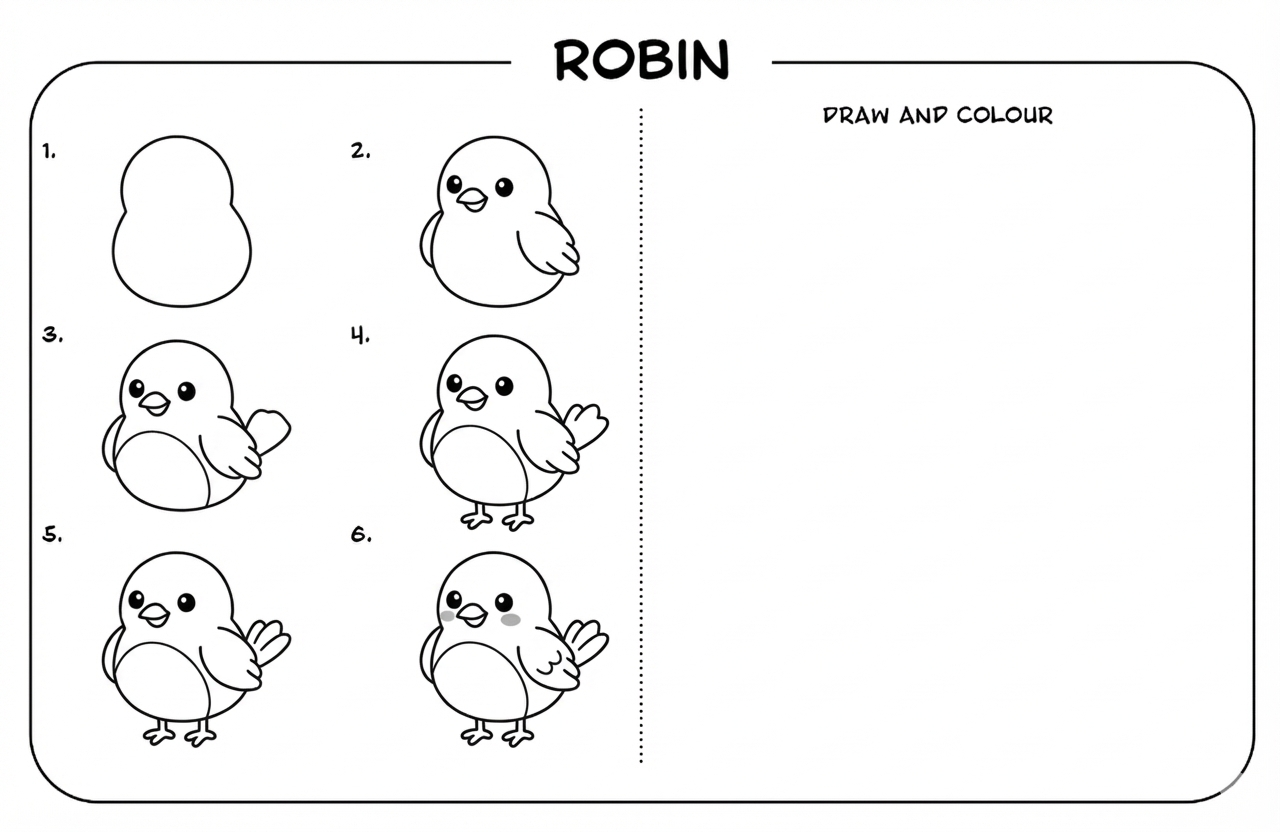
3. Grey Squirrel
Love them or find them cheeky, squirrels are one of the most entertaining garden animals to watch. They're constantly on the move — burying food, chasing each other, performing acrobatics on bird feeders. Their long bushy tail is their most distinctive feature and great fun to draw.
✏️ Draw it: small oval for head, larger oval for body, giant curved tail4. Frog
If you have a pond — or even a damp corner — frogs are likely to visit. Spring is when they congregate to spawn; summer and autumn you'll find them hiding in cool, shady spots. Children love watching frogs leap, and their wide eyes and round bodies make them irresistible to draw.
✏️ Draw it: wide squat body, big round eyes on top of the head5. Bumblebee
Britain has 24 species of bumblebee, and several of them are regular garden visitors. Look for them on lavender, foxgloves, and clover. Their fuzzy, striped bodies are wonderful to draw — and learning to identify their different colour bands is a great way to introduce younger children to the idea of animal species.
✏️ Draw it: big fluffy oval body with yellow and black stripes6. Blackbird
The blackbird's song is one of the most beautiful in nature — a rich, fluty melody that's most prominent at dawn and dusk. Males are jet black with a bright yellow-orange beak; females are brown. They love hopping across lawns looking for worms after rain.
✏️ Draw it: similar to a robin but larger, with a distinctive pointed beak7. Butterfly
On sunny summer days, a garden full of flowering plants can attract several butterfly species including the Comma, Peacock, Red Admiral, and Small White. Spotting them and noting their wing patterns is a brilliant observation exercise, and those symmetrical wings are fantastically satisfying to draw.
✏️ Draw it: simple body in the centre, two large wings on each side8. Snail
After rain, snails emerge everywhere. Children are endlessly fascinated by them — the shell patterns, the way they move, their eyestalks. Snails are one of the easiest animals in the garden to observe closely, since they don't run away! Their spiral shells are a brilliant drawing challenge for older children.
✏️ Draw it: small oval body, then a spiral on top for the shell9. Cat
Even if you don't own a cat, neighbourhood cats will likely visit your garden — stalking through flower beds, sitting on fences, watching birds with intense focus. Children relate to cats immediately and love drawing them. Their triangular ears, whiskers, and long curling tails make them a great drawing subject.
✏️ Draw it: round head with pointed ears, oval body, long curved tail10. Red Fox
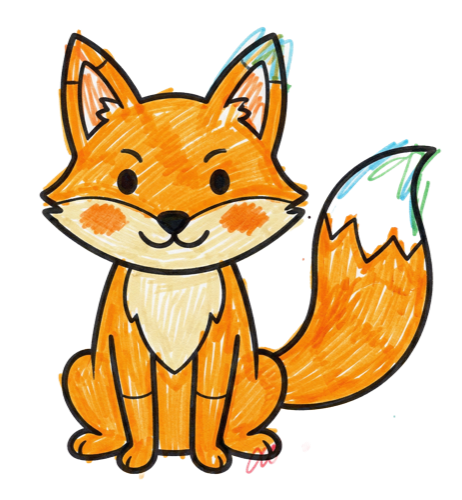
Urban and suburban foxes are now incredibly common throughout Britain. They're most active at dawn and dusk — you might spot one trotting confidently down the street or investigating your garden bins. That flame-coloured fur and bushy white-tipped tail makes them utterly unmistakeable and brilliant to draw.
✏️ Read our full fox drawing guide →What Next? The Spot & Draw Challenge
Here's a simple activity for your next garden session: print this list (or write it out), then take it outside with a pencil and sketchbook. Every animal you spot, draw it — even if it's just a quick 30-second sketch. By the end of the summer, you'll have a proper wildlife record of your garden.
All 10 of these animals appear in our Learn to Draw: British Animals book. Each one is broken down into 6 simple steps, starting with basic shapes and building to a finished drawing with a practice page included. It's the perfect companion to a summer of garden wildlife spotting.
Draw every garden visitor
Get Learn to Draw: British Animals
All 10 garden animals in this guide are in the book — plus 35 more British wildlife species. 6 simple steps each, for ages 4–9.
🛒 Get the Book on AmazonOr start with the free 5-day drawing challenge — 5 British animals delivered to your inbox, completely free.