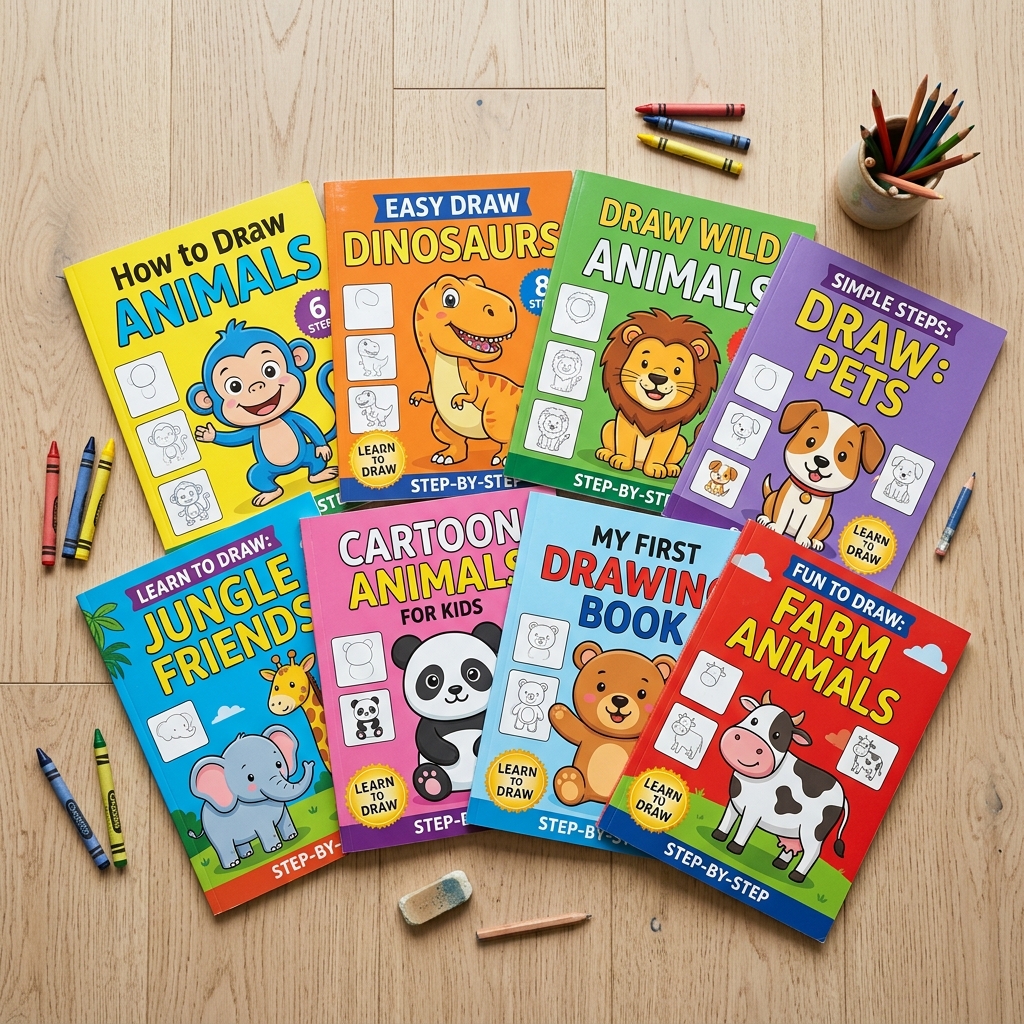
📚 Whether it's a birthday, Christmas, or just a wet Tuesday afternoon, a good drawing book for kids is one of those rare gifts that genuinely gets used. But not all drawing books are created equal — and some are far more frustrating than fun. Here's how to choose the right one.
What Makes a Great Drawing Book for Kids?
Before we dive into specifics, it's worth understanding what separates a drawing book that collects dust from one that gets dog-eared and scribbled in for months. There are a few key things to look for:
Clear, visual steps
Young children can't follow long written instructions. The best drawing books are almost entirely visual — each step shown as a picture.
Builds from simple shapes
Every animal or object should start with basic shapes (circles, ovals, triangles) that gradually become more detailed. This makes success achievable from step one.
Practice space included
Having blank space to draw directly in the book removes the barrier of finding separate paper. It also means the finished book becomes a portfolio of the child's work.
Age-appropriate subject matter
A 4-year-old needs round, friendly, simple animals. A 9-year-old might want more anatomical detail. Match the book to the child, not just the age on the cover.
Choosing by Age Group
A common mistake is buying a drawing book based on the age range printed on the back without checking whether the style and complexity actually matches your child. Here's a practical breakdown:
| Age | What works | What to avoid |
|---|---|---|
| Ages 4–5 | Chunky, rounded animals with 4–6 steps. Lots of white space. Friendly faces. | Too many steps, complex shading, or tiny detail that requires fine motor control they haven't developed yet. |
| Ages 6–7 | More varied subjects (not just animals). Optional colouring steps. Slightly more detail per step. | Books that jump from basic shape to finished drawing in one step — children need the intermediate stages shown. |
| Ages 8–9 | Books that introduce simple perspective, texture, and a wider variety of subjects. A bit of challenge is good. | Books so complex they lose interest, or so simple they feel talked-down to. |
The Different Types of Drawing Book
There are three main approaches to how-to-draw books, and they suit different children:
1. Step-by-Step Method Books
These are the most accessible and consistently successful with younger children. Each subject is broken into numbered steps, starting with basic shapes and building up to a finished drawing. The key advantage is that every child — regardless of natural talent — achieves a satisfying result. This is the method used in our Learn to Draw: British Animals book.
2. Free-Drawing Inspiration Books
These books show finished examples for children to copy or use as inspiration, without breaking down the process. They work well for older children (8+) who already have some drawing confidence and want to develop their own style. They can frustrate younger children who don't know where to begin.
3. Activity/Doodle Books
These are less instructional and more creative — prompts like "finish this monster" or "draw what's in the spaceship". Great for imagination but not for teaching actual drawing skills. Best used alongside a more structured approach.
🦡 Why we built the Chunky Badger method
When we were developing our British Animals book, we tested it with real children ages 4–9. The most common frustration? Drawing books that skipped steps — showing a simple oval in step 1, then a perfectly finished rabbit in step 2 with no guidance for what happened in between.
Our 6 Simple Steps method solves this by making every intermediate stage explicit and visual. Step 6 always shows the finished, fully coloured animal — not as a "this is what you must achieve" but as an inspiration for colouring. No reading required. No artistic background needed.
The Best Drawing Books as Gifts
A drawing book consistently ranks among the most-used gifts for children ages 4–9 — beating many toys and games for longevity. A few tips if you're buying as a gift:
Bundle it with supplies. Include a set of coloured pencils or felt-tips. The combination of book + pencils means they can start immediately, which massively increases engagement.
Choose a theme the child loves. Animals, dinosaurs, vehicles, fantasy creatures — the best drawing book is one that features subjects the child is already obsessed with. For nature-loving, wildlife-curious kids, British animals is a natural fit.
Consider the physical quality. A book with thick, quality paper holds up to repeated use and erasing. Thin paper tears easily and makes felt-tips bleed — both of which frustrate children quickly.
Our Pick for Kids Ages 4–9
We're obviously biased — but the feedback we receive from parents is what matters. The most common things we hear about the Learn to Draw: British Animals book:
"My son has drawn every animal three times over and asks me to get the next one."
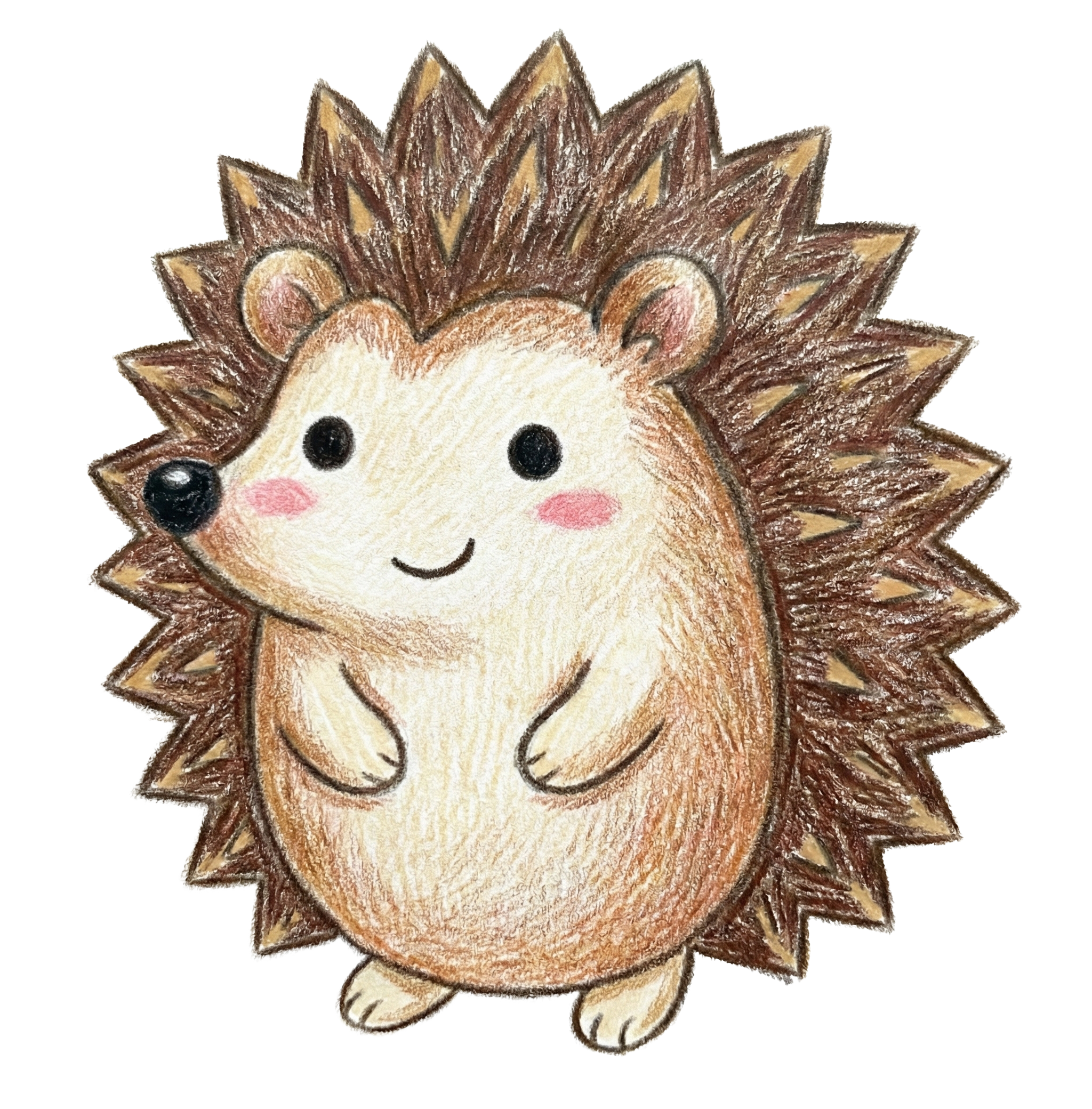
"My 5-year-old who said she couldn't draw finished a hedgehog on her first attempt and cried happy tears."
"We've bought three copies — one for home, one for grandma's house, and one for holidays."
Over 45 British animals to draw
Get Learn to Draw: British Animals
45+ animals, 6 simple steps each. Practice space included. Suitable for ages 4–9. Available on Amazon with fast UK delivery.
🛒 See it on AmazonOr try before you buy — grab the free 5-day drawing challenge and see if your child loves the method.